Child Sexual Abuse – Awareness and Prevention
What is Child Sexual Abuse?
Sexual abuse is when sexual contact or non-contact sexual activities happen between:
- An adult and a person under age 18.
- An older youth and younger child.
- A person who has more power over another person.
In most cases of child sexual abuse, someone builds a relationship with a child, their family, or community before the abuse happens. They use this relationship to gain trust, keep secrets, and avoid being found out. This can happen online, in our communities, and even our families.
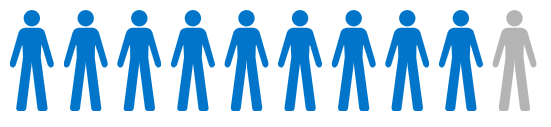
More than 9 out of 10 youth who experience sexual abuse know the person who is harming them.
How Do We Keep Sexual Abuse from Happening?
To keep children safe, it takes more than one kind of prevention.
- Primary prevention takes place before abuse occurs. This takes on the reasons that abuse happens in the first place.
- Secondary prevention means noticing warning signs early to stop more harm and abuse from happening.
- Tertiary prevention gives ongoing support to children and families after abuse is identified.
As a Caring Adult, How Can I Help?
For prevention efforts to work, we need to look at individuals, relationships, the community, and society as a whole.
Individual
There are biological or personal things that make it more likely that a person is abused or causes harm to someone else. Prevention helps by teaching people new information, healthy skills, and behaviors.
- Learn how child sexual abuse happens. Understanding how abuse happens will help protect your child. This includes grooming and the use of tricks.
- Talk about child sexual abuse. Have conversations with friends, family, and your child about sexual abuse. Share ways to help prevent abuse.
- Learn the stages of growth that a child goes through. Knowing what is normal at different ages helps adults understand children’s feelings and behavior.
- Teach children body autonomy and consent. Use the correct names for body parts so your child understands their body. This includes their genital (sex organs). Teach your child that it is okay to say “no” to touch that feels unsafe or uncomfortable.
Relationship
Close relationships can create safety or risk. Friends, family, partners, and others can influence how people act. Prevention helps by building caring, supportive, and protective relationships.
- Use open communication. Show children that they can talk about their thoughts, feelings, and experiences. Listen and support them, even when they’ve made a mistake. This builds trust and helps children feel safe coming to you with big or uncomfortable problems.
- Respect boundaries. All children have a right to say “no”. When a child uses words or actions to set a boundary, listen and stop the behavio r. This includes playing, joking, tickling, or hugging.
- Create chances to build confidence. This shows children that an adult cares about their emotions and feelings. It can also be a chance to change views of gender roles that can put young people at risk of sexual abuse.
- Support surprises, rather than secrets. Surprises are held for a short time and then shared with others for joy and celebration. Secrets keep something hidden. This may be because rules were broken or someone is afraid of getting themselves or someone else in trouble.
Community
This includes the places where children live, learn, play, and grow. Prevention helps by making these places safer through clear rules, policies, and practices.
- Monitor and protect kids when they are online. Some websites are not safe for children. Use passwords and safety settings to block harmful content.
- Be present for youth services and activities. Even adults need support and reminders. Watch for actions that cross boundaries. Step in if you see adults or other kids crossing boundaries.
- Ask youth serving groups what they are doing to keep kids safe. Reach out to all the places where children spend time. Ask what they are doing to keep kids safe. Start with these questions.
Society
This includes beliefs and norms in our culture and society that can impact safety. Prevention helps by sharing messages and actions that support safety and do not allow harm to continue.
- Question harmful social norms. Stop or speak up about jokes, comments, or media that treat kids in unsafe or sexual ways.
- Normalize a child’s independence and having a voice. Give children chances to make choices and speak up. Notice the pressure kids feel to act in a certain way and support them being themselves.
- Support leaders and rules about child safety. Good leaders use their power to help others and create safe, caring spaces for children.
What if my Child is Abused?
Our goal is always to prevent abuse before it happens. However, if you learn about or suspect sexual abuse:
- Respond calmly. Reassure the child that what happened was not their fault. You do not need to know every detail to seek help or make a report.
- Seek help from the police or a local emergency room if you or your child is in immediate danger. Contact the county where you live to report abuse or neglect by visiting Wisconsin Department of Children and Families.
- Find support for healing. Ongoing mental and behavioral health services for the child and family could be beneficial. Children’s Wisconsin offers mental and behavioral health care for kids 6 months old into early adulthood. Learn more about treatment for abuse and neglect.
Children who have experienced sexual abuse may need to have a medical evaluation. A local emergency room, law enforcement, or a medical provider may refer a child and family to a Child Advocacy Center for a medical exam and support.
Draft Number: 1795Revision Date: August 11, 2026