
Vaping is bad for health, and it can lead to problems. It may feel like everyone is vaping, but most high school students are not. In Wisconsin, one in three high school students said they tried vaping. Less than one in 10 said they vape regularly and one in 20 vapes every day. The healthy choice is to say no to vaping.
Vaping Prevention and Intervention for 9th-12th Grade Students
Most Students Do Not Vape
Vape Companies Are Targeting Teens
Companies that make and sell vape products are targeting teens to get them to start vaping. Their goal is to get teens addicted so they can make money. Companies target teens by:
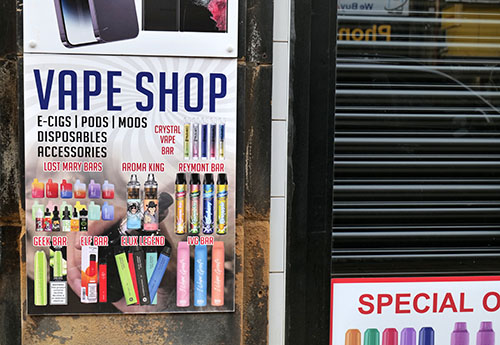
- Advertising to them online and through social media. They use bright, fun colors in their ads and images that teens are drawn to.
- Using influencers to convince teens to use their products.
- Sponsoring events like music festivals and concerts. They have stands that advertise flavors, give out merch and that have selfie stations.
- Making vaping look fun or like a way to express yourself. Vapes in different colors, with skins or stickers, are shown as a way to be unique.
- Offering discounts, coupons and promotions online and on social media.
- Making vape products in fruity and sweet flavors that appeal to teens
Chemicals in Vape Products
Vape liquid has chemicals in it that are heated up and breathed in as a mist or aerosol. Chemicals from the heating coil, which heats the liquid, also get into the vape mist. The chemicals go deep into the lungs and are absorbed into the blood. These chemicals are toxic and they are not something you want in your body.
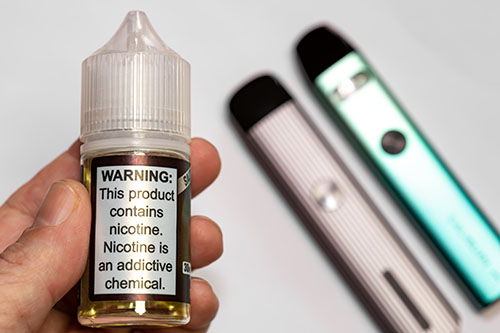
Nicotine is in Most Vape Liquids.
- Nicotine is an addictive drug.
- It can harm brain development in young people and can make it harder to focus.
- Teens are more likely to get addicted to nicotine because their brains are still growing.
- Vaping nicotine can make stress, anxiety and depression symptoms worse.
Vape Liquid Contains Propylene Glycol and Vegetable Glycerin.
- They are found in antifreeze and fake smog, which are not safe to breathe in.
- When these are heated into a mist, they make formaldehyde and acetaldehyde. These chemicals can cause cancer.
- Formaldehyde is used to preserve bodies.
Flavoring Chemicals are in Many Vape Liquids.
- These chemicals are toxic.
- They breakdown into diacetyl, which causes popcorn lung. This type of lung damage does not heal. The damage is deep in the lungs and causes coughing, wheezing and trouble breathing.
- The flavors help mask other chemicals, which makes it easier to vape more.
Heavy Metals from the Heating Coils are Found in Vape Mist.
- Lead, nickel and chromium have been found.
- They build up in the body if someone keeps vaping.
- Breathing in these metals over time can cause organ damage.
- These metals can increase cancer risk.
Volatile Organic Compounds, or VOCs, Have Been Found in Vape Mist.
- Toxic chemicals benzene, toluene and xylene are in vape mist, gasoline and paint thinner.
- VOCs irritate or bother the eyes, nose and throat.
- Long-term exposure can lead to kidney, liver and central nervous system damage.
Nicotine Vapes and THC Vapes
Vapes that have THC in them, which is the chemical in marijuana that causes a high feeling, are newer than nicotine vapes. We do not know how using THC vapes impacts health long-term because they have not been around long enough to be studied. Vaping THC has been linked to addiction and making mental health issues worse.
Compared to smoking, vaping nicotine and THC can get more drugs into the body. We also know that THC products are stronger now than they used to be.
The devices used to vape nicotine and THC often look the same. The liquid inside them is different.
The healthy choice is not to vape nicotine or THC. Neither are a safe option.
Reasons Teens Vape
Common reasons teens say they vape are:

- To deal with anxiety and stress
- Feeling bored
- Peer pressure or social influence
- The flavors taste good
- They want to find out what vaping is like
- They are addicted and cannot stop
Research shows that vaping nicotine can cause more stress. It also increases anxiety and depression symptoms. This means that vaping to reduce stress or anxiety can make things worse.
You Can Say No To Vaping
If someone asks or pressures you to vape, saying no is the healthy choice. Give a short answer instead of getting into a debate. Practice saying no to vaping so you are ready with an answer.
These tips can help:
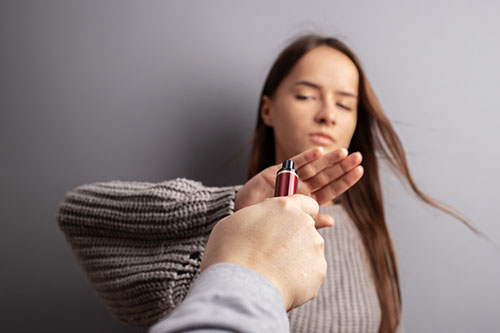
- You do not need to explain. No is a full sentence.
- Be confident. Being sure of your answer matters as much as the words you use.
- Suggest doing something else.
- Real friends will respect your choice.
- It is okay to use a goal for a reason.
- Walk away if you need to.
- Most teens don’t vape. Saying no to vaping happens all the time.
How to say no:
- “Nah, I’m good. It’s not my thing.”
- “No thanks. I like being able to breathe.”
- “I’m trying to stay in shape for practice, so I’ll pass.”
- “Nope. I don’t vape.”
- “I’m good. Wanna grab some food instead?”
Impacts of Vaping
Vaping can impact many parts of a person’s life. It affects physical health and mental health. It can also have social impacts by affecting relationships and the people around someone that vapes. The environment is impacted by vaping too. Vaping has not been around long enough to know all the impacts, so we are still learning how it affects people over time.
Physical Effects of Vaping:
- Lung damage and a constant cough, which can make it harder to breathe.
- Faster heart rate and higher blood pressure.
- Higher risk of heart attack or stroke.
- Trouble sleeping.
Mental Effects of Vaping:

- Learning, memory, impulse control and attention are negatively affected.
- Brain development is harmed. The brain grows until the age of 25.
- Addiction risk is higher for teens because their brains are still growing.
- Symptoms of anxiety and depression can get worse.
- Current vapers are twice as likely to be diagnosed with depression.
- Nicotine use can increase stress.
Social Impacts of Vaping:
- Worse grades at school.
- Detention, suspension or missed time at school.
- Getting in trouble at home.
- It costs a lot of money over time.
- Possible fines for vaping in a place where it is not allowed.
- Vaping is against the law for people under 21.
- Missing time with friends or doing activities.
Environmental Impacts of Vaping:
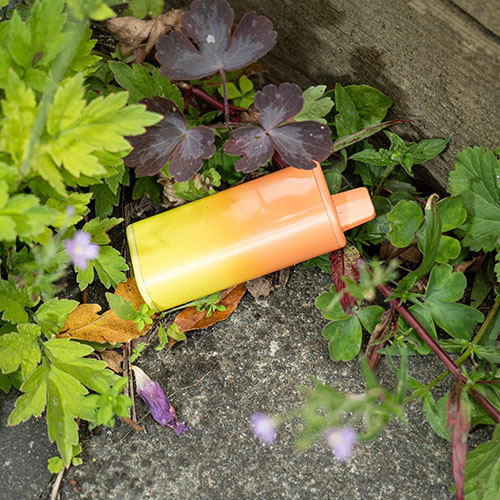
- Plastic waste. Vapes, pods and vape liquid bottles are bad for the environment.
- Chemicals from mist get into the air.
- Chemicals from vape liquid and devices get into the water from litter or trash.
- Mining metals for the device batteries pollutes the planet.
- Vape devices should be disposed of as hazardous waste.
Benefits of Quitting
Quitting vaping allows the body and brain to heal. When someone quits vaping:
- Lung health gets better
- Heart health gets better
- Mood and mental health improve
- Problems with focus get better
- Skin is more hydrated, less likely to wrinkle or sag, it heals better and complexion improves.
Nine out of ten people who quit said that they felt less stressed, anxious or depressed after they stopped vaping nicotine, according to Truth Initiative survey data.
Resources for Quitting
If you vape and want to quit, or you know someone who wants to quit vaping, here are some resources to help:

Smokefree Teen
Smokefree teen supports quitting by providing quit plan support, an app, a texting program and expert support.

Live Vape Free
Live Vape Free helps people 13 to 26 reduce or quit vaping. Text VAPEFREE to 873373.

EX Program
The EX Program supports people of all ages to quit tobacco and nicotine products.
Children’s E-Learning Lessons and Activities

The Impacts of Vaping on Health Lesson
This lesson includes information about the impacts of vaping on health and consequences of vaping. Peer pressure and ways to say no to vaping are covered as well.

Vaping, Pollution and eWaste Lesson
The environmental impacts of vaping are covered in this lesson. Learn about plastic and chemicals in vape products that can damage the environment.

Spelling Bee Activity
This activity presents a series of puzzles with a fill in the blank statement about vaping.