
Asthma Medicines
Medicines help prevent asthma symptoms and treat breathing problems when they happen. Learn about the different medicines used to help keep asthma under control.
Asthma is a long-term condition, which means it does not go away, even when symptoms are not present.
Follow the Asthma Management Plan. It tells you which medicines to use and when.
Using medicines as prescribed can:
- Prevent asthma symptoms.
- Help you breathe easier.
- Lower the chance of an asthma attack.
What Types of Asthma Medicines Are There?
There are 3 ways asthma medicines may be used:
- Quick Relief (Rescue): Helps during asthma symptoms.
- Daily Control (Controller): Helps prevent asthma symptoms.
- Single Maintenance and Reliever Therapy (SMART): Can provide both quick relief and daily control.
How are Asthma Medicines Given?
- Inhaler or pump
- Nebulizer
- Liquid or pills taken by mouth
- Injection or shot
Special Tools or Devices are Used to Help get Asthma Medicine into the Lungs
- Spacers are used with metered dose inhalers. It helps slow down the speed the medicine comes out of the inhaler, so it can get into the lungs and not to other parts of the body.
- Nebulizers mix air with a liquid medicine to make a mist. The mist is breathed into the lung.
Quick-Relief Medicine (Rescue)
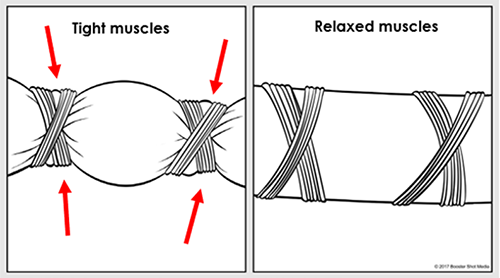
Quick relief medicine quickly relaxes the tight muscles around the airways. This opens the airways and makes breathing easier. Albuterol is a common quick-relief medicine. A provider may recommend using it when asthma symptoms start or before activity or exercise.
Important Tips
- Use this medicine right away when asthma symptoms start or before activity, as directed.
- It works quickly. Symptoms should start to improve within 5 to 10 minutes after taking it. The medicine may continue working for up to 4 hours.
- When asthma is well controlled, quick-relief medicine may be needed 2 days a week or less. It may also be needed more often, such as during an illness or with exercise.
- If quick-relief medicine is needed more often than usual, talk with the Asthma team. This may be a sign that the asthma is not well controlled.
Quick Relief Medicines Include:
- Albuterol
- Levalbuterol
Possible Side Effects May Include:
- Shaky hands.
- A fast heartbeat.
- Restlessness.
Using a spacer can decrease these symptoms. Talk with your Asthma team if you have concerns.

Daily Control Medicine (Controller)
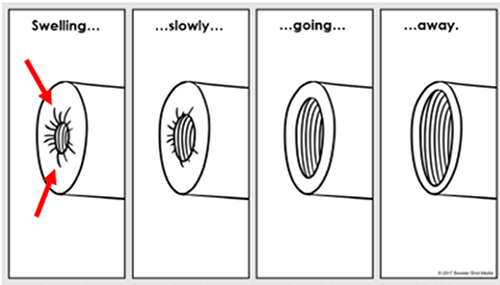
Daily control medicine helps prevent asthma symptoms. They decrease the swelling in the airway and keep the airways open. This makes it easier to breathe and lowers the risk of asthma attacks.
There Are 4 Main Types of Daily Control Medicines
- Inhaled Corticosteroids
- Combination
- Leukotriene Modifiers
- Long-Acting Muscarinic Antagonists
Important tips
- Use these medicines every day, even when there are no asthma symptoms. Daily use helps prevent symptoms and lowers the chance of an asthma attack.
- These medicines do not work right away. It may take a few days to a few weeks for them to work well.
- Take these medicines as prescribed. Talk with the Asthma team before changing or stopping these medicines.
Inhaled Corticosteroids
These medicines decrease swelling and mucus in the airway. They are a preferred daily treatment for persistent asthma. They may come as an inhaler or as a liquid that is used with a nebulizer medicine. Rinse your mouth or brush your teeth after each use to help prevent mouth and throat irritation.
Inhaled corticosteroid medicines include:
- Fluticasone
- Mometasone (Asmanex)
- Beclomethasone (QVAR)
- Budesonide (Pulmicort)
Combination
These inhalers contain 2 medicines that work together: a corticosteroid and a long-acting beta agonists. Together, they help prevent asthma symptoms, keep the airways open and make breathing easier. Rinse your mouth or brush your teeth after each use to help prevent mouth and throat irritation.
- Corticosteroid: This medicine decreases swelling and mucus in the airways.
- Long-acting beta agonist: This medicine relaxes the muscles around the airways.
Combination medicines include:
- Advair
- Dulera
- Symbicort
- Breyna
- Breo
Leukotriene Modifiers
These medicines help reduce swelling and keep the airways open. They may also help with allergy symptoms. Leukotriene modifiers are used for long-term asthma control. It comes as a pill that is chewed or swallowed. Watch for changes in mood, behavior, or sleep. If you notice these changes, stop the medicine and contact your Asthma care team right away.
Leukotriene modifier medicines include:
- Montelukast
- Accolate (Zafirlukast)
Long-Acting Muscarinic Antagonists
These medicines help relax the muscles around the airways. This helps keep the airways open and makes breathing easier. The Asthma team may add this medicine if other medicines are not controlling the asthma well. This medicine is used with other asthma control medicines, not by itself. Do not use this medicine for sudden asthma symptoms. Make sure you know how to use the inhaler correctly. This inhaler may work differently from other inhalers.
Long-acting muscarinic antagonists medicines include:
-
Spiriva (Tiotropium)
Single Maintenance and Reliever Therapy (SMART)
SMART combines 2 medicines in one inhaler that work together: a corticosteroid and a long-acting beta agonists (Fomoterol). Together, they help prevent asthma symptoms, keep the airways open and make breathing easier. Rinse your mouth or brush your teeth after each use to help prevent mouth and throat irritation.
- Corticosteroid: This medicine decreases swelling and mucus in the airways.
- Long-acting beta agonist: This medicine relaxes the muscles around the airways.
SMART medicines include:
- Breyna
- Dulera
- Symbicort
Important tips
- Not all combination inhalers can be used for SMART. Advair, AirDuo, Breo, and Wixela cannot be used for SMART because they do not contain formoterol.
- Take these medicines as prescribed. Talk with the Asthma team before changing or stopping these medicines.
To Learn More, Watch These Videos:
Artwork@2019 Booster Shot Media Inc.
Draft Number: 1888Revision Date: October 23, 2026