
Shunt Malfunction: Signs and Symptoms
What Is a Shunt?
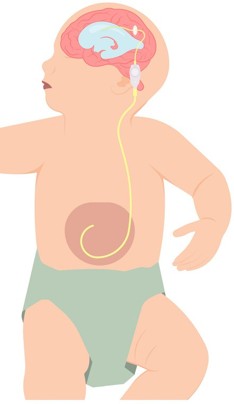
A shunt is a small tube placed under the skin to drain extra fluid from the brain. The fluid flows through the shunt to another part of the body, usually the belly, where it can be absorbed. A shunt helps relieve pressure on the brain caused by a buildup of fluid.
Signs and Symptoms of a Shunt Problem
A shunt malfunction means the shunt is not working the way it should. Signs of a shunt problem can be different depending on your child's age.
Infants may:
- Be fussy or irritable for no clear reason.
- Throw up.
- Have a bulging or full soft spot on the head.
- Sleep more than usual.
- Have swelling along the shunt or tubing.
- Have a head that is growing faster than expected.
- Have trouble looking straight ahead and seem to look downward most of the time.
Toddlers may:
- Have changes in mood, behavior, or personality.
- Throw up.
- Have a headache. Young children may show signs of pain instead of telling you they hurt.
- Sleep more than usual.
- Have swelling along the shunt or tubing.
School-Age Children may:
- Throw up.
- Have headaches or changes in vision.
- Sleep more than usual.
- Have trouble thinking, concentrating, or understanding.
- Have changes in mood, behavior, or personality.
- Have lower grades or difficulty at school.
- Have swelling along the shunt or tubing.
Signs and Symptoms of a Shunt Infection
Your child can develop a shunt infection for up to 6 months after surgery. Most infections happen during the first few weeks after surgery.
Signs of a shunt infection may include:
- Fever of 101°F (38.3°C) or higher.
- Redness, drainage, or increased swelling around the incision or shunt site.
- Headache.
When Should I Call the Neurosurgery Team?
Call your child's Neurosurgery team right away if you think your child may have a shunt malfunction or infection. Tell the provider about your child's symptoms so they can help decide what to do next.
Draft Number: 1342Revision Date: November 10, 2026