
Dental: Oral Habits
Oral habits are repeated actions involving the mouth that many children develop. These habits, include thumb sucking or using a pacifier and are common among babies and young children. They can lead to problems with the mouth, teeth, and jaw if they continue for too long. Learn more about these.
What Are Oral Habits?
Oral habits are repeated actions involving the mouth that many children develop. These habits are common among babies and young children.
Why Are Oral Habits a Concern?
They can lead to problems with the mouth, teeth, and jaw if they continue for too long.
Common Oral Habits and How They Affect the Mouth or Teeth:
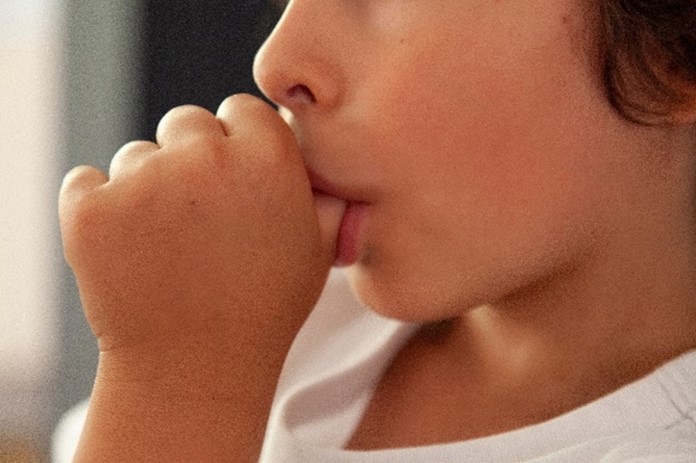
Thumb or Finger Sucking
This can cause protruding front teeth or an overbite. This is where the front teeth don’t meet properly. The American Academy of Pediatric Dentistry (AAPD) states that thumb sucking is normal until age 5 years. Most kids stop on their own between the ages of 2 to 4 years.
Using a Pacifier Past Toddler Age
Using a pacifier after age 3 years can affect speech development and lead to oral health issues, such as:
- Causing the teeth to slant out forward.
- Failure of the teeth to meet properly (overbite or overjet).

- Jaw alignment issues.
- A narrower, higher roof of the mouth.
Tongue-thrusting
This habit is one where the child pushes the tongue forward when swallowing. This can cause teeth to shift or grow in the wrong way.
Sucking on the Lower Lip
This habit may cause issues, such as:
- Misalignment of the teeth positions.
- Problems with chewing and speech.
- Dry, cracked, or irritated lips or swelling.
- Increased risk of lip and skin infections.
Mouth Breathing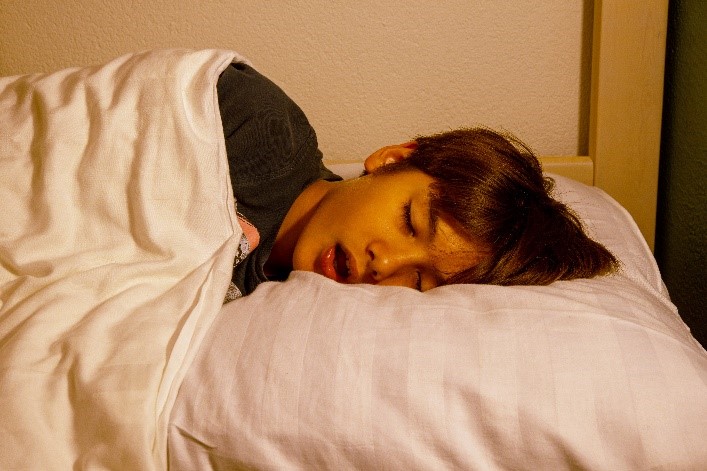
This habit may lead to issues including:
- Crooked or crowded teeth.
- Narrowing of the roof of the mouth.
- Teeth misalignment.
- The possibility of a longer face shape.
Clenching or Grinding Teeth
This habit causes wear to the outer layer of the teeth (enamel), which may cause:
- Increased sensitivity and cavity risk.
- Chipped, cracked, or flattened teeth.
- Impact the level of the gum tissue.
- Issues with the jaw joint impacting a child’s bite or facial development.
Chewing on Objects Like Pens, Toys, or Fingernails
This habit can cause dental damage such as:
- Chipped teeth.
- Wearing down the outer layer of the tooth (enamel).
- Jaw pain.
- Increased risk of infections from bacteria from the object(s).
What Can You Do To Treat Oral Habits?
The earlier a habit is stopped, the less likely it will be for a problem to happen. An early visit with a pediatric dentist is recommended. They will discuss how to help you stop your child’s habits. Orthodontic treatment (braces) may be suggested to stop a habit, or fix a problem caused by a habit. Orthodontic treatment is not usually suggested until a child is older, often between the ages of 8 to 12 years old.
If you have questions about an oral habit your child has, please ask your child’s dental provider.
Draft Number: 2263Revision Date: February 1, 2026