
Medical Evaluation for Injury
Why does my child need a medical evaluation?
It is important for your child’s health and well-being that their body be checked.
- Your child may have injuries or other medical problems that need treatment.
- A medical opinion may be needed to help find the cause of the injuries.
What happens during the medical evaluation?
The evaluation is very much like a regular check-up. It is done in a child-friendly way.
- Questions will be asked about your child’s health.
- A head-to-toe check-up is done.
- Photos may be taken of findings that can be seen.
Why is additional testing done?
Infants and young children may have serious injuries inside the body even if there are no symptoms or bruising. Often these injuries are not noticed by a parent or even by a doctor or nurse during an exam. The best way to find injuries inside the body is to do screening tests. These tests can rule out an injury. They can also diagnose a medical condition that may look like an injury. When these kinds of injuries are found, they often need special treatment. The tests are done for the safety and care of your child.
What tests might need to be done?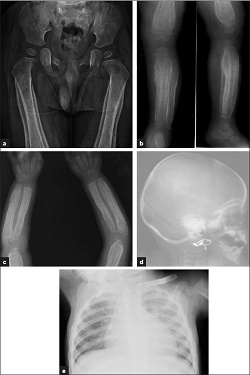
- Skeletal survey. A set of x-rays that look at the major bones in the body. It includes the skull, arms, legs, ribs, spine, pelvis, hands, and feet. These x-rays are looking for any problems with your child’s bones. The number of x-rays will depend on your child’s age. Your child will likely need a second part in 3 weeks. Central Scheduling staff can help you make this appointment.
- CT scan or MRI. Pictures that look at the brain, stomach (abdomen), and other parts of the body for problems or injury.
- Blood tests. Tests that look for bleeding problems or medical conditions that can look like an injury. They can also identify injury to organs or bones that might be causing symptoms.
- Urine tests. Tests that look for exposure to substances.
Special information
Images (x-rays) may need to be done. Some parents worry about possible harmful side effects from radiation from x-rays. The small risk of radiation is greatly outweighed by the information gained. Special equipment and ways of taking the x-rays makes sure that the radiation exposure is as low as possible. MRI scans do not use radiation.
What happens after the evaluation?
- After the evaluation, medical staff will:
- Talk to you about the evaluation.
- Enter information into your child’s medical chart. Your child’s doctor will also have access to the medical report.
- Recommend follow-up care visits or make referrals for counseling, if needed.
- Contact you if any result needs follow-up. Results from lab tests or imaging will be available within one week.
- The Child Advocacy team may review the information in your child’s medical record.
- Child Advocacy is a medical team of subspecialists that includes doctors, advanced practice providers, and social workers who are experts in injuries and conditions that can cause or look like injury. They also can help determine the cause of any injuries.
- They may suggest more medical tests or resources. For example, an advanced practice provider or social worker may call you for follow-up testing or to offer resources.
Sometimes, we need help from child protective services (CPS) and/or police to gather more information and to make sure you and your child are safe. Sometimes medical providers are required by law to report any concerns for child maltreatment to CPS and/or police. This is because those agencies are able to gather more information. Their role is to make sure you and your child are safe.
If CPS and/or police are contacted:
- They may be from different cities or counties, CPS in the county in which the child lives and police from the city or county where the child was when an injury may have happened.
- They will decide if they need to look closer at what happened and who can help keep your child safe.
Help through the process:
If you have questions about the assessment of your child's injury, call our Social Work team at 414 337-5344.
Draft Number: 1874Revision Date: February 1, 2026