
Retinoblastoma: Enucleation (Eye Removal) and Care After
What is Enucleation? 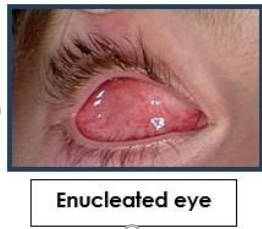
This is a surgery to remove the entire eye. An eye may be removed if:
- A retinoblastoma tumor is too large or has spread.
- There is a serious eye injury.
- There is pain in a blind eye.
- There is a severe infection in the eye.
What Happens During This Surgery?
1. The eye is removed.
2. A medical device, called an implant, is placed behind the eye tissue. The implant helps maintain the shape of the eye socket. The implant is not removed. It will stay in place forever.
3. The muscles around the eye are attached to the implant. The implant has many holes and pores. The pores let the implant connect with the blood vessels around your child’s eye. The holes are used to stitch it to the eye muscles. This lets your child have some eye movement.
4. Tissue is pulled and sewn over the implant.
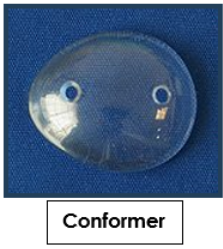
5. A clear plastic cover called a conformer will be placed over the eye tissue. It helps keep the shape of the eye socket and protect it.
Caring For Your Child After the Surgery
Your child will have a heavy patch over their eye after the surgery. The patch stays on for 3 to 4 days. To remove the patch, peel it off gently like a large bandage.
After the patch is removed:
- You will see the conformer. The conformer will stay in place until your child gets their eye prosthesis.
- The eye tissue will look red and swollen.
- The area around the eye may be bruised. This is normal.
- There may be some drainage from the eye. This is normal. Clean it by gently wiping with a clean washcloth soaked in clean, warm water.
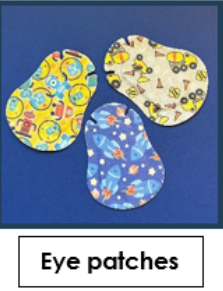
- Your child can wear an eye patch or sunglasses.
Your child may shower. It is important that they do not put their head underwater. They should not swim or take baths until the eye prothesis is in. This is to help prevent an infection.
Your provider may give your child medicine to help with pain, stomach upset and to prevent infection. These may include pain medicine, eye ointments or antibiotics. Take them as directed by your provider.
If your child’s conformer falls out, it will need to be put back in. It will need to stay in until your child has their eye prosthesis.
To Put the Conformer Back In:
1. Wash your hands with soap and water.
2. Wash the conformer with soap and water.
3. Rinse it with water so all the soap is gone. Soap can cause irritation.
4. Place it between the eyelids.
It is not painful to put the conformer back in but can be scary at first. If you cannot put it back in, call the Retinoblastoma team at 414-337-7330. We will help you.
Getting an Eye Prosthesis
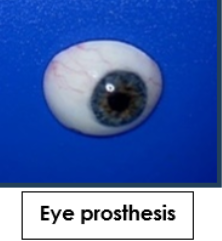
The conformer will be removed 6 to 8 weeks after surgery when your child’s eye socket has healed. It will be replaced with an eye prothesis. This is an eye made just for your child by someone called an ocularist. The prosthetic is designed to match the appearance of the child’s other eye.
Adjusting
Losing an eye can be very hard for a child and family. It takes time to adjust. Sometimes it is helpful to talk to a support person during this time. Please let the Retinoblastoma team know if you would like to talk to someone.
Our child life specialists can also help. Child life specialists help patients cope with medical care and treatment. Common supports include:
- Teaching about the diagnosis.
- Preparing for and supporting during procedures.
- Helping siblings understand what is happening.
To learn more about the Child Life Program at Children’s Wisconsin, review this info.
Draft Number: 2240