
Screen Time and Play for Babies and Toddlers
Why Does Play Matter?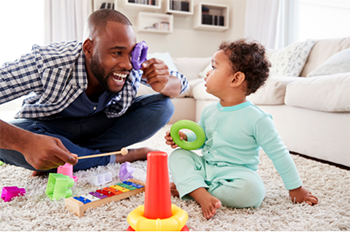
Play builds the brain! The best play is with parents or caregivers. Just 2 hours of play each day can help babies and toddlers:
- Build language skills.
- Solve problems.
- Create strong relationships.
How Can You Make Smart Toy Choices To Help Your Baby or Toddler Learn?
Choose toys based on what they can do, not just the age on the package. Toys do not have to be fancy or expensive. Simple everyday items can help them learn and grow. Traditional toys like blocks, books, dolls, and rattles help their brains and bodies grow. Electronic toys can limit talking and slow learning, even when they are labeled ‘educational.’ Babies or toddlers with special needs may need help learning to play. Ask the primary care provider to help you pick toys that support their growth.
What Is Screen Time?
Screen time means using a phone, tablet, TV, computer, or video game for fun or watching shows. Screen time is common in families today, but for babies and toddlers face to face play is more important for learning and connection.
Why Limit Screen Time?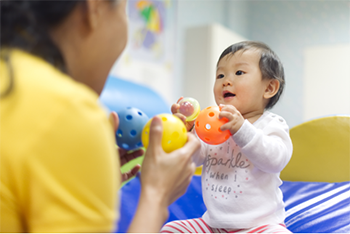
Too much screen time can slow a baby and toddler’s brain growth and behavior. Babies born early or with medical needs may need extra face-to-face play to support language and development.
How Much Screen Time Can Babies and Toddlers Have?
Children younger than 18 months should not have screen time, except for video calls with family and friends. For children 18 to 24 months, screen time should be limited and always watched together with a parent or caregiver.
We know screens are part of daily life.
Small changes can make a big difference!
Screens Are Everywhere. Follow These Tips To Use Screens Safely:
- Notice what your child is watching and for how long.
- Choose short educational videos.
- Watch screens together. Talk about what you see or point to items on the screen. This helps them learn.
- Keep screens out of sleep and play areas.
- Turn off background screens during play or reading. Even if your child is not watching the background TV, it can reduce talking in the room.
- Turn off screens during meals or before bed. Screens can affect sleep and focus.
- Limit your own screen use when your baby or toddler is awake. Your attention matters.
Easy Play Ideas for Busy Days
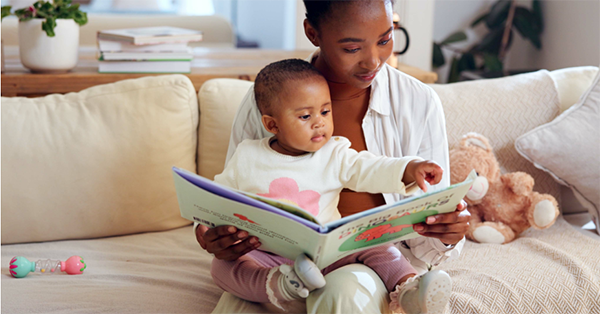
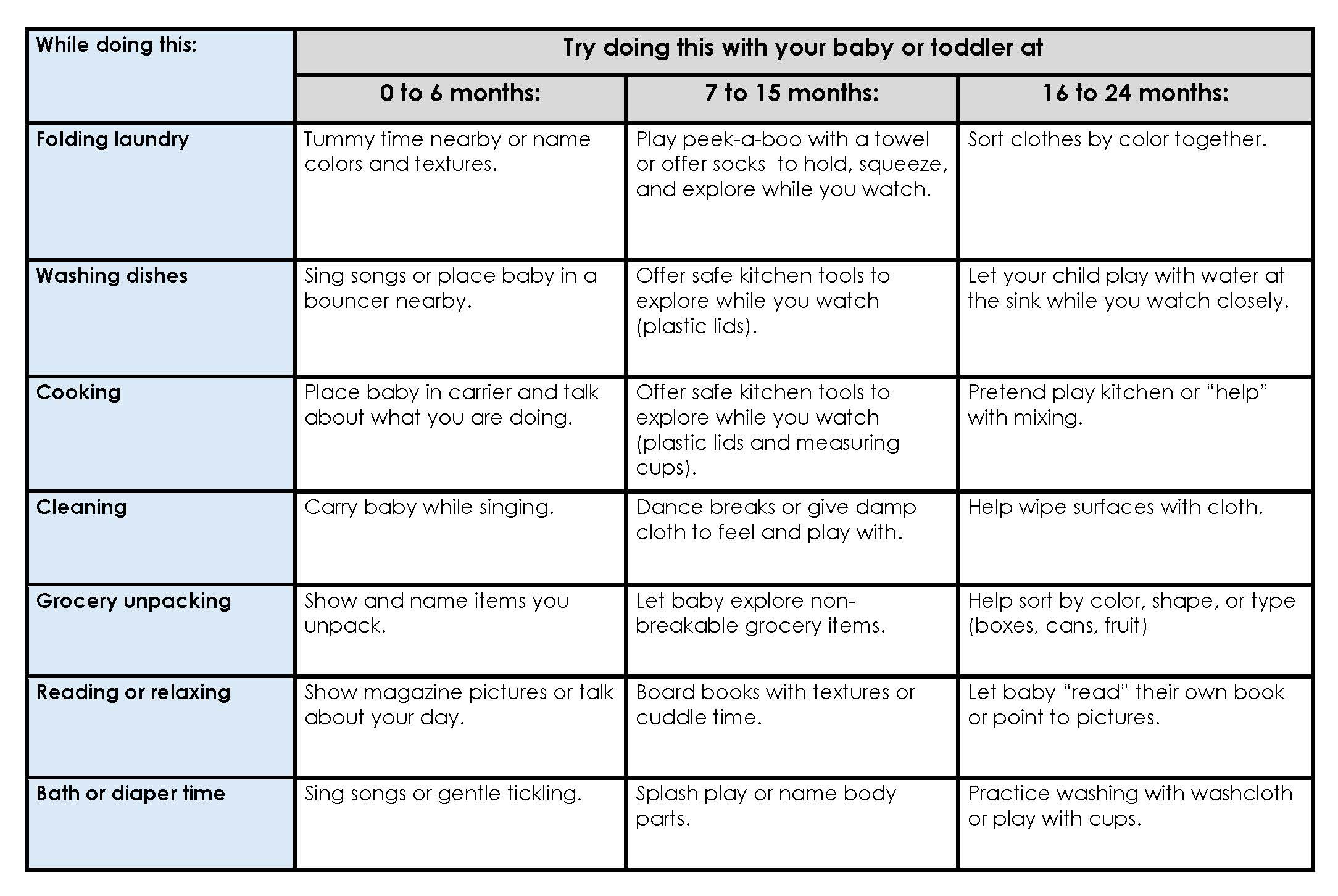
Babies learn best from real people, not from screens! You don’t need extra time to play. Add play to what you already do.
Draft Number: 1635Revision Date: April 1, 2026