- Team-based care: Specialists meet with you and your child together, in one room, at the same time.
- Family-centered approach: You are the most important part of your child’s care team.
- Expert staff: Our team includes physicians, nurse clinicians, dietitians, speech and language pathologists, psychologists, medical assistants and more.
- Consistency of care: We work closely with your child’s primary doctor and therapists.
Condition
Feeding, Swallowing & Nutrition Program
Our team can help with the physical, mental and social challenges that come with feeding, swallowing and nutritional disorders
We’re one of the few pediatric programs in the country that takes a true team approach to feeding, swallowing and nutrition disorders. Families across the country come to Children’s Wisconsin to see our team of nationally recognized experts. We have decades of experience providing the highest quality care available – from common to rare, challenging cases.
Why Families Choose Us
What to Expect
Treatment plans will depend on your child’s specific diagnosis. Learn about what to expect at your first appointment here.
Before Treatment: Your First Visit
Your child’s care begins with a full evaluation. At the first visit, you’ll meet with a doctor, nurse and dietitian. We’ll review your child’s medical history, feeding habits and growth. We may recommend tests like blood work or imaging.
At your second visit, your full care team may also include a psychologist and speech therapist. We’ll watch your child eat, talk about your goals and answer questions. Then we’ll create a plan together.
This may include feeding therapy, changes in diet or other medical support. Before you leave, you’ll get a written summary of the plan and clear next steps.
During Treatment: Putting the Plan into Action
Once we create a plan, we’ll help you put it into action. Most families start with outpatient visits. Some kids need more support and may benefit from a short stay for more focused care.
Types of treatment include:
- Outpatient therapy: Your child comes to regular visits while working on feeding goals at home.
- Intensive outpatient therapy: Your child attends several full or half-day sessions, where they typically have 3 meals per day over five days. This is helpful if your child needs extra support or if you're coming from out of town.
- Inpatient therapy: Your child stays in the hospital for about two weeks for 24-hour care, daily therapy and family training. Patients receive 3 meals a day working with our team over the course of their inpatient stay. This is only needed if other treatments haven’t worked.
We track your child’s progress and adjust the plan as needed. You’ll get regular updates and support from the team.
After Treatment: Long-Term Follow-Up
After your child finishes treatment, we’ll keep checking in. Some kids reach a point where they no longer need therapy or tube feeding. Others need more time to grow their skills or manage health conditions.
We’ll help you know what to expect, including:
- Follow-up visits or phone check-ins
- Changes to your child’s feeding plan over time
- Support as your child transitions back to your regular care team
We’ll also give you tools to help your child stay on track at home. Our goal is to help your child eat well, grow strong and feel confident — both now and in the future.
Why Choose Children’s Wisconsin
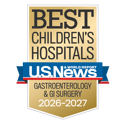
Nationally ranked pediatric gastroenterology care: In the 2026-27 U.S. News & World Report Best Children's Hospitals rankings, Children's Wisconsin was ranked among the nation's best for Gastroenterology & GI Surgery. Our experts diagnose and treat digestive, liver and nutritional conditions, including complex gastrointestinal disorders in children.
Care based on research: We lead and join research to improve feeding care. Our team helped create the first medical definition of pediatric feeding disorder and started a national group to share what we learn.
We speak up for families: Our team works to improve feeding care across the country. We help lead groups like Feeding Matters and push for better access and insurance support.
Inpatient program for tough cases: Some kids need care in the hospital to build skills and reduce tube feedings. We offer one of the few full day feeding programs in the country, with therapy and support for your whole family.
Clinical Nutrition
Dietitians are available throughout Children’s Wisconsin to help your child grow and thrive with tailored nutrition plans. Dietitians can help with general healthy eating or may focus on specific conditions and goals like food allergies, diabetes, heart conditions, genetic metabolic disorders, ketogenic diets for epilepsy, cystic fibrosis, or sports nutrition. Clinic dietitians may offer one-on-one visits, group sessions, or special classes, but patients must have seen a medical provider in that clinic within the past year. Other clinics can refer families to an ambulatory dietitian for more general concerns like poor weight gain, obesity, picky eating or nutrient gaps.
Our Doctors
At Children's Wisconsin, our doctors are 100% committed to the health and well-being of kids. They care for every aspect of a child's health, including their physical, social, dental and mental well-being. We are a community of dedicated professionals who shares an unwavering passion to care for kids whenever and wherever they need us.
