
Asthma Triggers
What Are Asthma Triggers?
Triggers are things that can cause asthma symptoms or make asthma worse. Avoiding triggers can reduce the chance of an asthma attack and may decrease the need for more medicine.
Stay Away From These Triggers To Prevent Asthma Symptoms:
Allergies
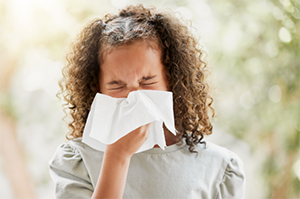
An allergen is something that bothers some people but not all. Allergens are breathed into the lungs where they cause swelling and asthma attacks. You and your Asthma team may decide that allergy testing is an option for you. Allergy testing helps find what may be causing allergy symptoms. Knowing what causes an allergic reaction can help avoid these triggers.
Allergy tests are often done to find:
- Triggers for asthma patients.
- Environmental allergies, like hay fever.
Pollen

Grass, trees and weeds make pollen. Allergens include tree pollen in spring, grass in summer and ragweed and molds in fall.
- Try to keep windows closed and air conditioning on.
- Try to do outdoor activities in the afternoon when the pollen counts are lower.
- Ask your provider if you need to add or increase your medicine before the allergy season starts.
To learn more about pollen, review this Children’s Wisconsin resource.
Animal Dander

All pets with fur or feathers make dander. Dander is protein found in skin flakes, urine, poop, saliva and hair. The best thing to do is keep your furry or feathered pets out of your home or at least out of your bedroom.
To learn more about animal dander, review this Children’s Wisconsin resource.
Dust Mites
Dust mites are found in many places and can make it hard to breathe. To help reduce dust mites in your home:
- Cover pillows, mattresses, and box springs in a special dust-proof cover.
- Wash all bedding weekly in hot water with soap.
To learn more about dust mites, review this Children’s Wisconsin resource.
Cockroaches
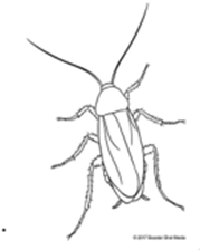
Dead cockroach bodies and droppings mix with house dust and can be inhaled. Do not use cockroach bombs to kill them, use cockroach motels instead. Remember to seal entry ways and keep food in closed containers.
Mold
Mold grows in moist areas where lights are low. You can find mold in the bathroom, basement, under sinks, in potted plants and along windowsills.
To learn more about mold, review this Children’s Wisconsin resource.
To help get rid of mold:
- Clean moldy surfaces with a cleaner that kills mold.
- Reduce indoor humidity below 50% if possible.
- Fix leaky sinks, pipes, tubs and toilets.
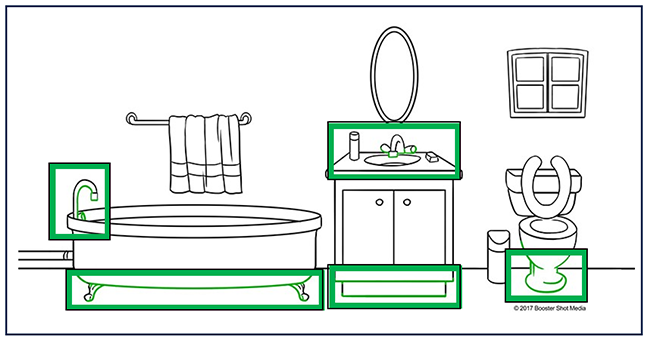
The boxes show where mold can grow:
- Behind or under the sink.
- Bathtub or shower (tile grout, caulk, shower curtain).
- Around the bottom of the toilet.
- Under the bathmat.
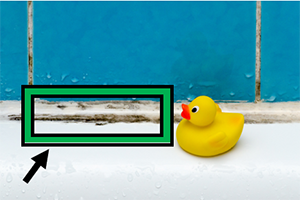
Smoke
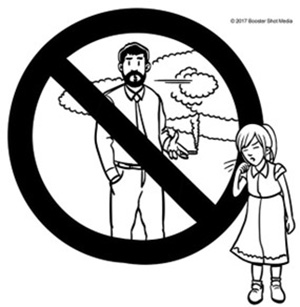
Anything that burns can make smoke and trigger an asthma attack, including:
- Campfires.
- Incense.
- Candles.
- Smudging (a cultural practice of burning herbs).
- Fog or smoke machine.
Tobacco Smoke, Vaping and Drugs

Do not smoke, vape or use drugs. They are bad for everyone. If you use any of them, ask for help to quit. If you can smell them, it hurts your lungs. Do not let anyone use them in your house or car.
Colds and Viruses
Colds can make asthma worse, so continue to do these things to stay healthy:
- Follow your Asthma Management Plan.
- Take your asthma medicine.
- Wash your hands often.
- Get flu and covid shots every year.
Weather Change

Asthma symptoms may be worse if it gets very cold or hot outside. Cover your nose and mouth with a scarf on cold days. Stay indoors in air conditioning on hot and humid days.
Exercise and Being Active
It is important to be active even if you have asthma. You should be able to do all the things people your age can do. When asthma is in control you will be able to be more active, but sometimes being active can make symptoms worse. It’s important to start slowly and warm up for 10 minutes before activity.
Talk to the Asthma team: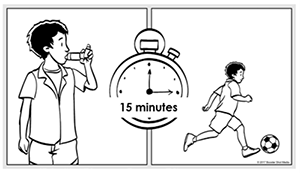
- If you cannot be as active as you want, or you are limiting your activity.
- About taking asthma medicine 15 minutes before activity. This may keep asthma symptoms away.
Strong Smells and Sprays
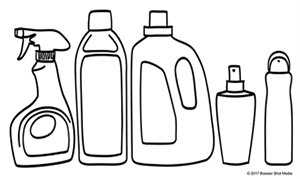
Strong smells can make asthma worse. Examples of products with strong smells include:
- Sprays or liquids used for cleaning. Open windows when using these and stay out of the room for 2 hours.
- Deodorants
- Perfumes
- Hairsprays
- Paints
- Diffusers
- Air fresheners
- Insect bombs
Air Pollution
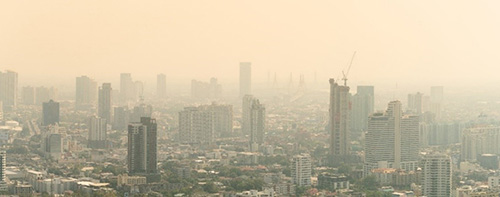
Poor air quality can make asthma worse. You can check the air quality online. If the air quality is poor, then:
- Do not exercise outside.
- Stay inside and look for air-conditioned places.
To Learn More, Watch These Videos:
Artwork@2019 Booster Shot Media Inc.
Draft Number: 1886